
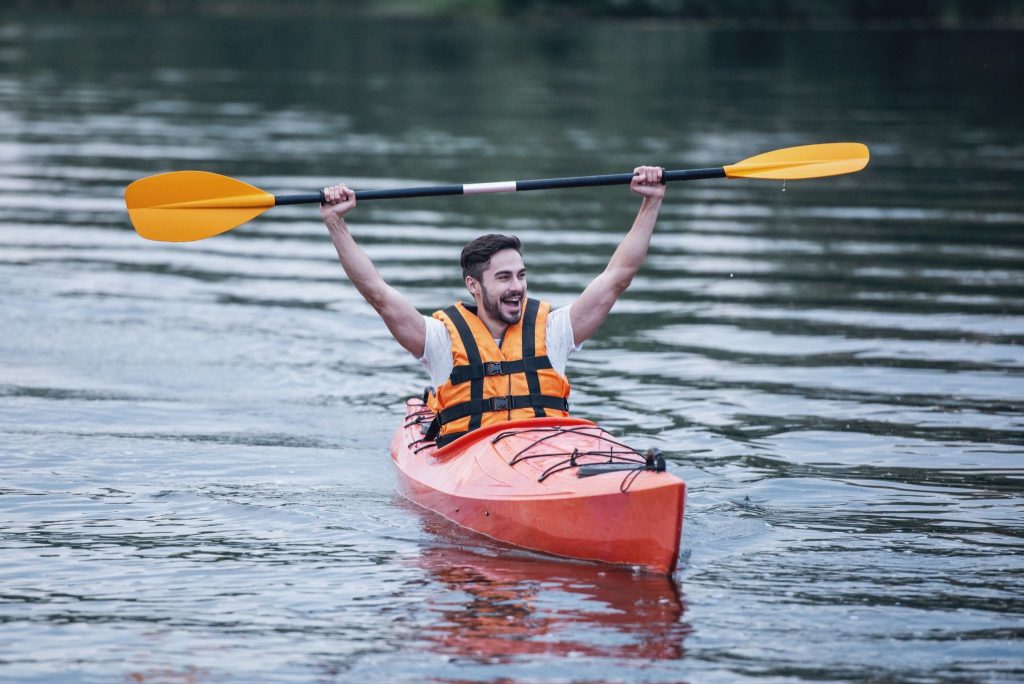

Kayaking is an exciting and fulfilling water sport that allows you to explore lakes, rivers, and even the ocean. Whether you are seeking adventure or simply a way to enjoy nature, mastering the basics of kayaking is essential. In this guide, we will delve into the foundational techniques every beginner should know, ensuring your experience is safe and enjoyable.
Understanding Your Kayak
Before you hit the water, it’s crucial to understand your kayak. There are various types of kayaks available, each designed for specific activities. Recreational kayaks are great for calm waters and beginners, while touring kayaks are built for longer distances. Whitewater kayaks are made for navigating fast-moving rivers and rapids. Choosing the right kayak for your intended use can enhance your experience significantly.
Each kayak has several components that serve different purposes. The hull is the bottom part that floats on the water, while the deck is the top surface. The cockpit is the opening where you sit, and understanding these parts will help you manage your kayak better. If you’re new to kayaking, visiting a local shop to try out different models can be beneficial. Make sure to select a kayak that feels comfortable and fits your body type.
Safety First
Safety should always be your top priority when kayaking. Before embarking on your adventure, equip yourself with essential safety gear. A personal flotation device (PFD) is crucial, as it keeps you buoyant should you capsize. A helmet is recommended for those navigating whitewater, and a whistle can be a lifesaver in emergencies. Always check local regulations regarding safety gear before heading out.
Understanding water conditions is equally important. Pay attention to weather forecasts and assess the state of the water before you paddle. Calm waters are ideal for beginners, while choppy waves can pose risks. Additionally, learning basic rescue techniques is vital. Knowing how to perform a self-rescue and assist others can make all the difference in an emergency.
Essential Paddling Techniques
Once you’re equipped and ready, it’s time to learn essential paddling techniques. Start with the correct grip on the paddle. Your hands should be shoulder-width apart, with your dominant hand on the top of the paddle. This grip offers better control and allows for powerful strokes.
Next, familiarize yourself with basic stroke types. The forward stroke propels you ahead, while the reverse stroke helps you back up. The sweep stroke is useful for turning your kayak efficiently. Practice these strokes in calm water to build confidence and improve your technique. Remember to keep your movements smooth and fluid for optimal efficiency.
Steering your kayak is just as important as moving forward. You can steer by using your paddle to make sweeping strokes on one side. This technique helps maintain your direction without losing speed. As you practice, you’ll find the balance between speed and control.
Body Positioning and Balance
Proper body positioning is key to maintaining balance in your kayak. Sit up straight with your back against the seat for better posture and control. Your feet should be firmly planted on the footrests, which helps stabilize your position. Engaging your core can significantly enhance your balance.
Weight distribution also plays a crucial role in stability. Leaning slightly forward can help you maintain control, especially in choppy water. Avoid sudden movements, as they can lead to capsizing. Instead, aim for smooth, deliberate actions. The more you practice, the more intuitive your movements will become.
Navigating Different Water Types
As you gain confidence, you may want to explore various water types. In calm water, techniques focus on maintaining control and enjoying the scenery. However, moving water presents unique challenges. Currents can be unpredictable, requiring you to adjust your paddling technique accordingly.
When navigating moving water, anticipate changes in speed and direction. Use your paddle to steer and stabilize your kayak against the current. Practice navigating small rapids or gentle waves before tackling more challenging waters. This experience will prepare you for the excitement of whitewater kayaking.
Surfing in the ocean introduces a different set of skills. Understanding how to ride waves can enhance your kayaking experience. Start by learning to position your kayak on the wave and paddle at the right moment. With practice, you’ll be riding the waves like a pro.
Practicing Kayaking Skills
The best way to improve your kayaking skills is through practice. Engage in drills that focus on your paddling efficiency and control. For instance, practice forward and reverse strokes alternately to build muscle memory. Spend time in flatwater to hone your techniques before venturing into rougher conditions.
Building confidence is essential for any beginner. Start with shorter trips and gradually increase your distance and complexity. Each successful outing will boost your skills and comfort level. Consider paddling with friends or joining a local kayaking group to enhance your experience.
Understanding Kayaking Etiquette
As you venture into shared waterways, understanding kayaking etiquette is vital. Familiarize yourself with right-of-way rules to ensure everyone has a safe experience. For instance, kayakers paddling upstream typically have the right of way. Respecting these rules helps maintain harmony among water users.
It’s also essential to respect wildlife and the environment. Avoid disturbing nesting areas and practice “leave no trace” principles. This ensures that our waterways remain beautiful and accessible for future paddlers. Clear communication with fellow paddlers is another crucial aspect. Use hand signals or vocal cues to indicate your intentions, enhancing everyone’s safety on the water.
Continuing Your Kayaking Journey
Your kayaking journey doesn’t have to end with mastering basic techniques. Connecting with local kayaking clubs can provide opportunities for further learning and socializing with fellow enthusiasts. Many clubs offer group outings, workshops, and safety classes that can enhance your skills.
If you’re interested in formal instruction, consider enrolling in kayaking courses. These programs often cover advanced paddling techniques, safety measures, and rescue training. Setting personal goals can also foster growth. Whether it’s mastering a new stroke or completing a challenging route, tracking your progress can be incredibly rewarding.
Conclusion
Mastering essential kayaking techniques is the first step toward enjoying this incredible sport. By understanding your kayak, prioritizing safety, and practicing your skills, you’ll be well on your way to becoming a confident paddler. Kayaking is not just about being on the water; it’s about connecting with nature and enjoying the serenity it offers. Each time you paddle, you’ll discover new sights and experiences, making every trip unique. Embrace the learning process, and don’t hesitate to seek support from more experienced paddlers. Remember, every kayaker was once a beginner, and with persistence and practice, you will improve. So, gear up, hit the water, and let the adventures begin. Your kayaking journey awaits, and it promises to be filled with excitement, learning, and unforgettable memories.
FAQs
1. What should I wear while kayaking?
Wear comfortable, weather-appropriate clothing. A PFD is mandatory. Quick-drying materials are best, and consider wearing a hat and sunscreen for sun protection.
2. Can I kayak alone as a beginner?
While it’s possible to kayak alone, it’s safer to paddle with a partner or group. You’ll have support in case of emergencies and can learn from each other.
3. How do I choose the right kayak for me?
Consider your intended use (recreational, touring, or whitewater), your body type, and your skill level. Trying out various models in-store can help you make the best choice.
4. What are the best conditions for beginner kayaking?
Calm waters with light winds are ideal for beginners. Look for lakes or slow rivers to practice. Avoid choppy waves or strong currents until you gain confidence.
5. How can I improve my kayaking skills?
Regular practice is key. Engage in drills, join local kayaking groups, and consider taking classes to learn advanced techniques and enhance your overall experience.