
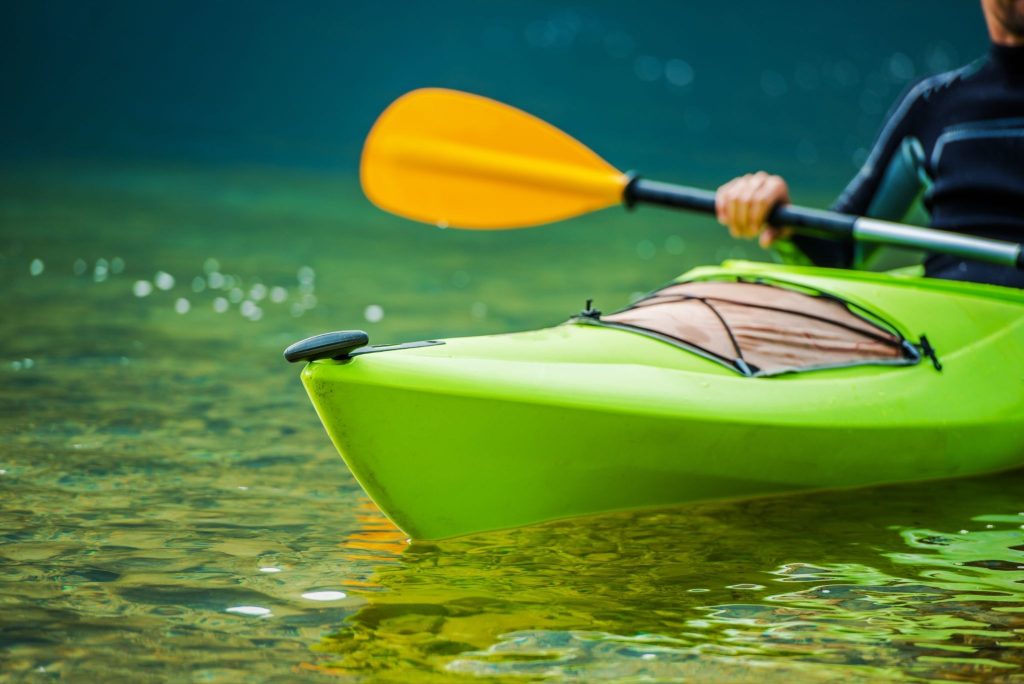
If you already understand the difference between recreational and touring kayaks, you are off to a solid start. However, choosing a kayak goes far beyond basic categories and simple definitions. It requires understanding how design, environment, and personal comfort come together on the water. Many beginners focus only on price or appearance, but performance and fit determine long-term satisfaction. The right kayak and paddle combination will feel natural, efficient, and supportive as your skills improve.
Understanding Your Primary Paddling Environment
The first step in choosing a kayak is identifying where you will paddle most often. Calm lakes, slow rivers, and coastal waters each demand different performance characteristics. A kayak that feels stable on flatwater may struggle in mild current or wind. Matching your kayak to your primary environment reduces fatigue and increases control. When conditions align with design, paddling feels smoother and more predictable.
Flatwater Lakes and Reservoirs
On calm lakes, tracking and gliding are more important than extreme maneuverability. Slightly longer kayaks move efficiently across open stretches without constant correction. A balanced width provides enough stability while still allowing smooth forward motion. Overly wide hulls may feel secure at first, but require more effort to maintain speed. For relaxed recreational paddling, efficiency supports endurance and comfort.
Rivers and Mild Currents
Rivers introduce movement and obstacles, which means maneuverability becomes essential. A kayak with moderate rocker turns more easily and responds quickly to directional adjustments. Durability also matters, especially in shallow or rocky sections where impact resistance is valuable. Polyethylene kayaks often perform well in these environments due to their toughness. Choosing a kayak suited for the current ensures better control and greater confidence.
Coastal and Open Water
Coastal paddling demands attention to wind and small waves. Secondary stability becomes more noticeable than initial steadiness. A slightly longer hull improves tracking and reduces constant corrective strokes. Wind resistance also influences paddle choice, especially in open water. When choosing a kayak for coastal use, it is wise to think ahead about skill progression and longer routes.
Hull Design and Performance Characteristics
Hull shape defines how your kayak behaves on the water. Flat hulls offer strong primary stability, which feels reassuring at rest. Rounded hulls glide more smoothly and often perform better in transitional conditions. Hard chines create sharper edges that enhance responsiveness, while soft chines provide smoother transitions when leaning. These subtle differences significantly influence fatigue and control during longer outings.
Length and width also affect performance. Longer kayaks generally track better and maintain speed with less effort. Wider kayaks increase stability but may slow forward progress. Choosing a kayak involves balancing these trade-offs based on your goals. Performance should match your intended paddling style rather than just initial comfort.
Sit-In vs. Sit-On-Top: Practical Trade-Offs
Sit-in and sit-on-top kayaks each offer practical advantages. Sit-in models provide better protection from wind and spray, making them suitable for cooler conditions. They also offer more efficient power transfer due to closer body contact with the hull. Sit-on-top designs allow easier entry and exit, which many recreational paddlers appreciate.
Comfort and climate should guide your choice. In warmer environments, sit-on-top kayaks offer ventilation and convenience. In colder or windier areas, sit-in models provide warmth and control. Choosing a kayak that suits your body type and paddling frequency ensures a more enjoyable experience.
Material Selection and Long-Term Durability
Kayak material directly influences weight, durability, and cost. Rotomolded polyethylene is common because it resists impact and keeps prices accessible. Although heavier, it withstands rough handling and shallow landings. Composite materials such as fiberglass reduce weight and enhance glide but require more careful maintenance.
Inflatable kayaks have improved significantly in recent years. Modern drop-stitch construction increases rigidity and tracking performance. They are ideal for those with limited storage space or travel needs. When choosing a kayak, consider how transportation and storage will affect daily practicality.
Choosing a Kayak Based on Body Fit and Ergonomics
Proper fit plays a major role in long-term comfort. Adjustable foot braces and supportive seating allow better posture and more efficient strokes. If your legs are cramped or unsupported, fatigue builds quickly. Thigh contact inside a sit-in kayak enhances control during edging and turning.
Weight capacity must include both your body weight and any additional gear. A kayak operating near its maximum limit sits lower in the water and behaves differently. Choosing a kayak that fits your body comfortably improves endurance and performance.
Weight Capacity and Gear Planning
Even casual paddlers accumulate gear over time. Dry bags, fishing equipment, or camping supplies add noticeable weight. Overloading a kayak reduces stability and increases drag. Underloading certain longer models can also alter waterline performance.
Planning for future needs prevents early upgrades. If you anticipate longer trips, selecting a model with extra capacity supports growth. Choosing a kayak with realistic weight considerations enhances safety and balance.
Paddle Selection: The Overlooked Performance Factor
While much attention goes to the kayak, the paddle determines efficiency with every stroke. A heavy paddle increases fatigue and can strain shoulders during longer outings. Blade shape affects how power transfers into the water. Matching blade design to your natural stroke style enhances comfort.
Shaft material also influences endurance. Aluminum paddles are affordable but heavier. Fiberglass and carbon fiber reduce swing weight and improve overall feel. When choosing a kayak and paddle together, balance matters more than price alone.
Determining Correct Paddle Length
Paddle length depends on torso height and kayak width. Wider kayaks require slightly longer paddles to clear the sides comfortably. If the paddle is too short, strokes become inefficient and splashy. If it is too long, extra effort reduces stamina.
Testing different sizes provides clarity beyond general charts. Correct sizing protects shoulders and improves technique. Choosing a kayak without considering paddle length can limit overall performance.
Blade Shape and Stroke Efficiency
High-angle paddlers benefit from shorter, wider blades that deliver quick power. Low-angle paddlers often prefer narrower blades designed for distance and smooth rhythm. Your natural stroke pattern should guide the decision.
Balancing blade design with your environment improves efficiency. Lakes reward endurance, while rivers may require quicker acceleration. Choosing a kayak and paddle combination that supports your style creates long-term comfort.
Shaft Materials and Comfort
Shaft material influences both weight and comfort. Aluminum remains durable and cost-effective but can feel heavy during extended use. Fiberglass provides a lighter feel with moderate pricing. Carbon fiber offers the lightest performance and reduces fatigue significantly.
Bent shafts can improve wrist alignment and reduce repetitive strain. Small ergonomic improvements add up over time. Choosing a kayak setup that prioritizes comfort protects your shoulders and wrists.
Balancing Budget with Performance
Budget planning should reflect how often you intend to paddle. Occasional outings may justify mid-range equipment. Frequent paddlers benefit from lighter paddles and better seating systems.
Additional expenses such as roof racks, storage solutions, and safety gear must be considered. Renting before purchasing can clarify preferences and reduce impulsive decisions. Choosing a kayak thoughtfully often prevents costly upgrades later.
Safety, Skill Progression, and Future Growth
Your skills will improve faster than you expect. A kayak that feels slightly challenging initially may become ideal within months. Buying only for maximum stability can slow development.
Learning edging and refining stroke technique requires responsive design. Choosing a kayak that supports progression builds long-term confidence. Equipment should grow with your abilities rather than limit them.
Testing Before Buying: Real-World Evaluation Tips
Demo opportunities provide insights that specifications cannot. Paddle for at least twenty minutes to assess seat comfort and tracking. Notice whether your shoulders tire quickly with a particular paddle.
Test gentle turns and small leaning movements to evaluate stability. Pay attention to how naturally the kayak responds. Choosing a kayak after real testing ensures a better long-term match.
Common Mistakes When Choosing a Kayak
Many beginners purchase kayaks that are too short for their intended distance. This leads to slower speeds and constant correction. Others prioritize extreme stability and sacrifice glide, resulting in tiring paddling sessions.
Ignoring paddle quality remains a frequent mistake. A poorly matched paddle undermines even the best kayak. Overlooking transport logistics can also create unnecessary frustration. Choosing a kayak involves considering the full picture, not just the hull.
Final Thoughts
Choosing a kayak requires balancing environment, fit, material, and paddle performance. It is a thoughtful decision rather than a quick purchase. When all elements align, paddling feels efficient and enjoyable. The right kayak and paddle combination supports comfort, endurance, and skill growth. Take time to evaluate real needs and future goals. With careful selection, your investment will reward you with years of confident and satisfying time on the water.