
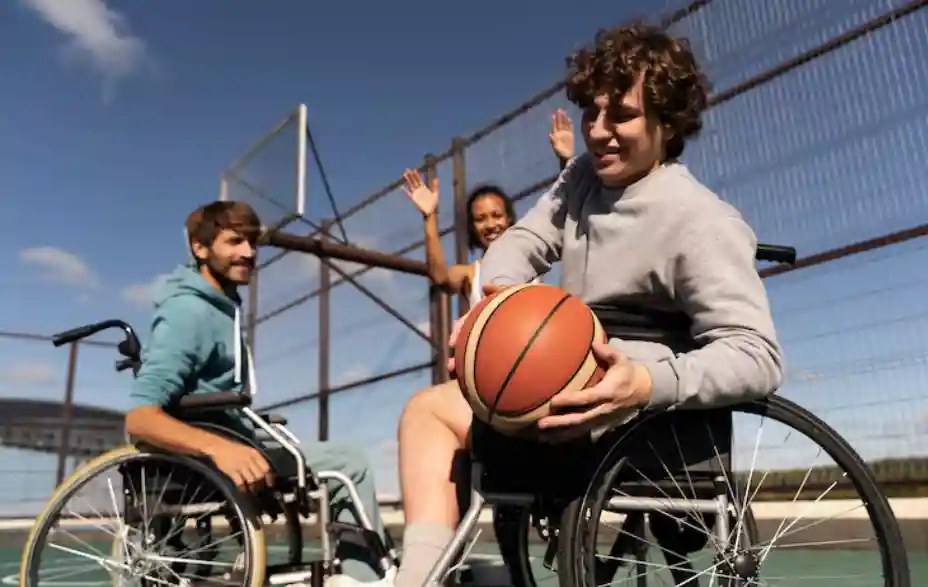
People with disabilities often face many barriers in daily life, including limited access to physical activities, social isolation, and lack of confidence in their abilities. However, sports can play a powerful role in changing this experience. An adaptive sports program is specially designed to make sports accessible for people with physical, sensory, or intellectual disabilities. These programs modify rules, equipment, and training methods so that everyone can participate safely and effectively. Through these opportunities, individuals are not only able to stay active but also gain confidence, independence, and a stronger sense of belonging in society.
Understanding Adaptive Sports Programs
An adaptive sports program is built to ensure that sports are inclusive for everyone, regardless of physical or mental limitations. These programs adjust traditional sports such as basketball, swimming, running, and cycling to meet different needs. For example, wheelchairs may be used in basketball or tennis, and special equipment may be introduced for those with limited hand movement. Coaches in an adaptive sports program are trained to understand different disabilities and provide proper support. The main goal is to remove barriers and create equal opportunities so that every individual can enjoy the benefits of sports.
Building Confidence and Independence
One of the most powerful impacts of an adaptive sports program is the increase in self-confidence. Many people with disabilities may feel dependent on others in their daily lives, but sports allow them to take control of their physical abilities. Learning new skills, setting goals, and achieving progress in sports helps individuals believe in themselves. As they improve, they begin to feel more independent and capable. This confidence often extends beyond sports and influences other areas of life, such as education, work, and personal relationships.
Improving Physical and Mental Health
Participation in an adaptive sports program also brings strong physical and mental health benefits. Regular physical activity helps improve strength, flexibility, balance, and overall fitness. It can also reduce health risks such as obesity, heart disease, and muscle weakness. On the mental health side, sports help reduce stress, anxiety, and feelings of loneliness. Being active releases positive energy and improves mood. Many participants in adaptive sports programs report feeling happier and more motivated in their daily lives because of their involvement in sports.
Creating Social Connections and Inclusion
Another important benefit of an adaptive sports program is social inclusion. People with disabilities often experience isolation, but sports create a space where they can meet others, make friends, and work as a team. Playing together builds strong bonds and teaches respect and understanding among participants. These programs also help break down social barriers and change public attitudes toward disability. When people see athletes with disabilities performing well in sports, it encourages greater acceptance and inclusion in society.
Life Skills and Long-Term Impact
An adaptive sports program also helps individuals develop important life skills such as teamwork, discipline, patience, and leadership. These skills are valuable not only in sports but also in everyday life. Participants learn how to handle challenges, stay motivated, and work toward long-term goals. Over time, these experiences can open new opportunities in education, employment, and even professional sports. The long-term impact is a more empowered and self-reliant individual who can contribute positively to society.
Conclusion
In conclusion, an adaptive sports program plays a vital role in empowering people with disabilities by improving their confidence, health, and social life. It creates equal opportunities for participation and helps break down barriers that often limit inclusion. Through sports, individuals discover their strengths and build a more active, independent, and fulfilling life.